
Once Human
Once Human gameplay guide — vision overlays and screen clarity
This Once Human guide focuses on vision overlays and screen clarity. Whether you are new to the game or tightening an existing setup, these notes cover decision-making, settings, and habits that stay useful after patches and meta shifts.
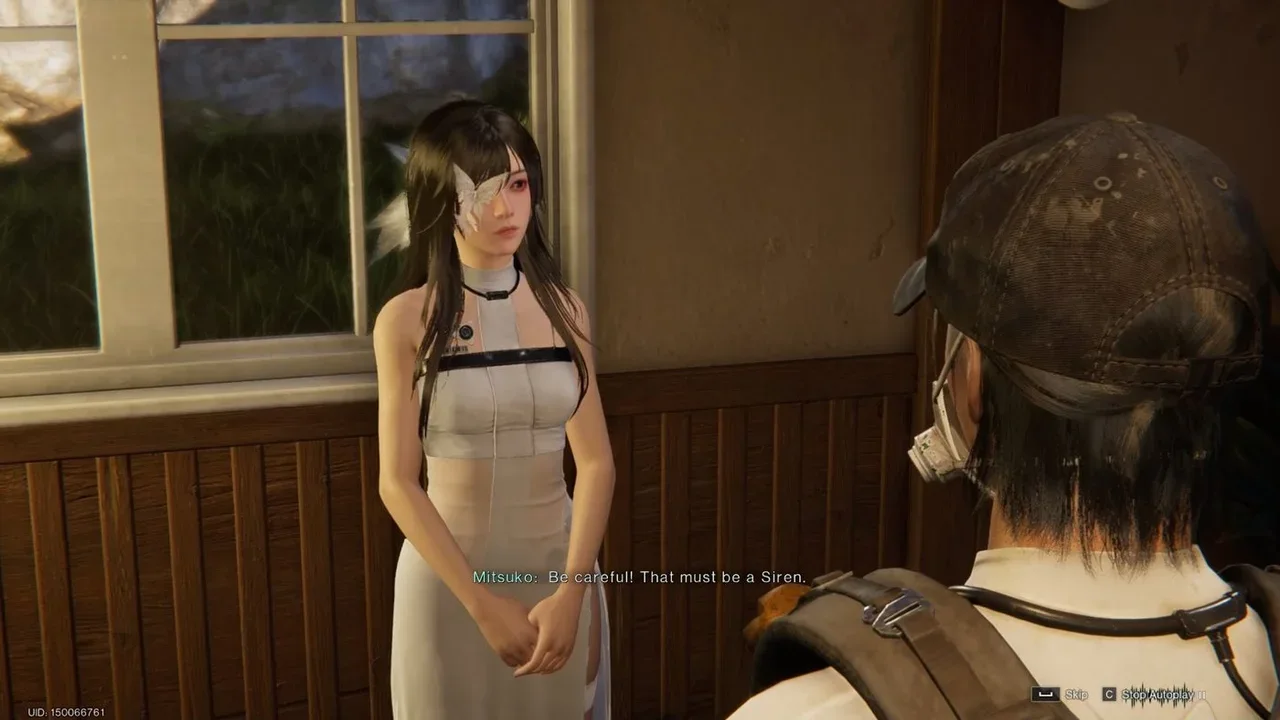
How Once Human matches actually play out
Once Human rounds are rarely won by raw reflex alone. Most players lose because they queue without a plan for information, positioning, and economy. Before you chase any overlay or assist tool, write down what you need each match: safer rotations, cleaner trades, or faster objective reads.
Treat every death as data. Note where you were spotted, which angle failed, and whether audio or vision gave you a false read. That habit matters more than toggling extra HUD clutter on day one.
Settings that keep Once Human readable
Visibility settings in Once Human are underrated. Lower unnecessary motion blur, tune gamma for your map pool, and keep crosshair clutter minimal so enemy silhouettes stay obvious in busy fights.
Audio mix matters too. Push footstep and directional cues slightly above music so you can track flanks without cranking volume into distortion.
Building a weekly Once Human routine
Instead of grinding endless queues, run short blocks: ten minutes of movement drills, two focused matches with one goal, then a review clip. Once Human improvement stacks when your sessions have a theme.
Rotate goals across weeks — map knowledge, duel consistency, team comms, or economy discipline — so you do not burn out repeating the same mistake.
For additional information and related resources on this game, you can explore additional guides.