
Valorant
Valorant gameplay guide — vision overlays and screen clarity
This Valorant guide focuses on vision overlays and screen clarity. Whether you are new to the game or tightening an existing setup, these notes cover decision-making, settings, and habits that stay useful after patches and meta shifts.
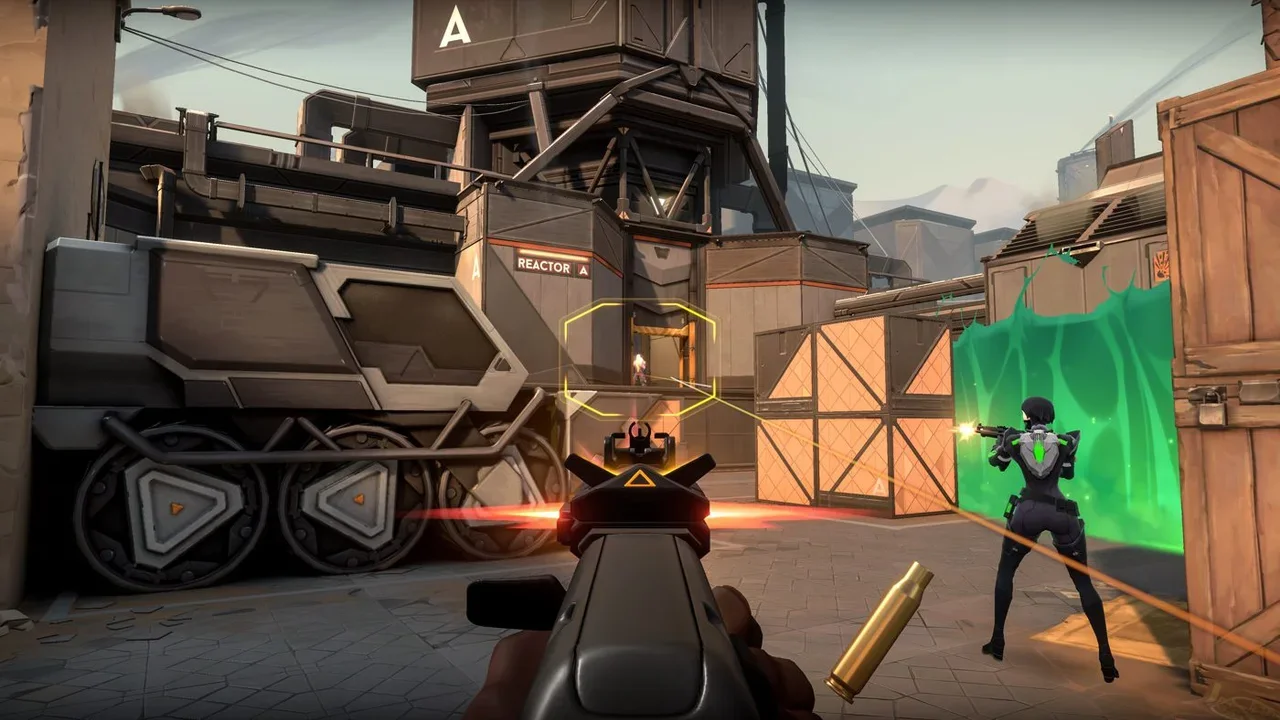
What separates average Valorant players
Average Valorant sessions look busy but unfocused: random pushes, late rotates, and panic utility. Strong players slow down at decision points and only commit when information supports the fight.
Practice saying no to low-value duels. In Valorant, the best move is often holding space until the lobby makes a mistake.
Valorant team play without chaos
Even in solo queues, Valorant rewards micro-teams. Use short callouts — location, count, direction — and stop over-talking during fights. Clarity beats volume.
If your squad runs tools or overlays, align on what everyone watches. Duplicate information creates false confidence and missed threats.
Reviewing Valorant clips the right way
After each Valorant session, save one clip where you died and one where you won cleanly. Compare decision timing, not just aim. Most fixes are positional, not mechanical.
Keep a one-line journal: map, mistake, fix. Over a month you will see patterns that no single match reveals.
If you want more game updates and related resources beyond this page, you can explore more game information.